Tramp Stamp Tattoo Meaning and Lower Back Design Choices
“Tramp stamp” is slang for a lower-back tattoo, commonly centered above the waistband. The phrase carries a derogatory stereotype, so lower-back tattoo is the more neutral term when talking about someone else’s body. A tattoo’s location does not tell you anything reliable about a person’s sexuality or character.
If you like the placement, focus on the design, fit, and practical care rather than whether a trend has declared it acceptable again.
Why the term needs context
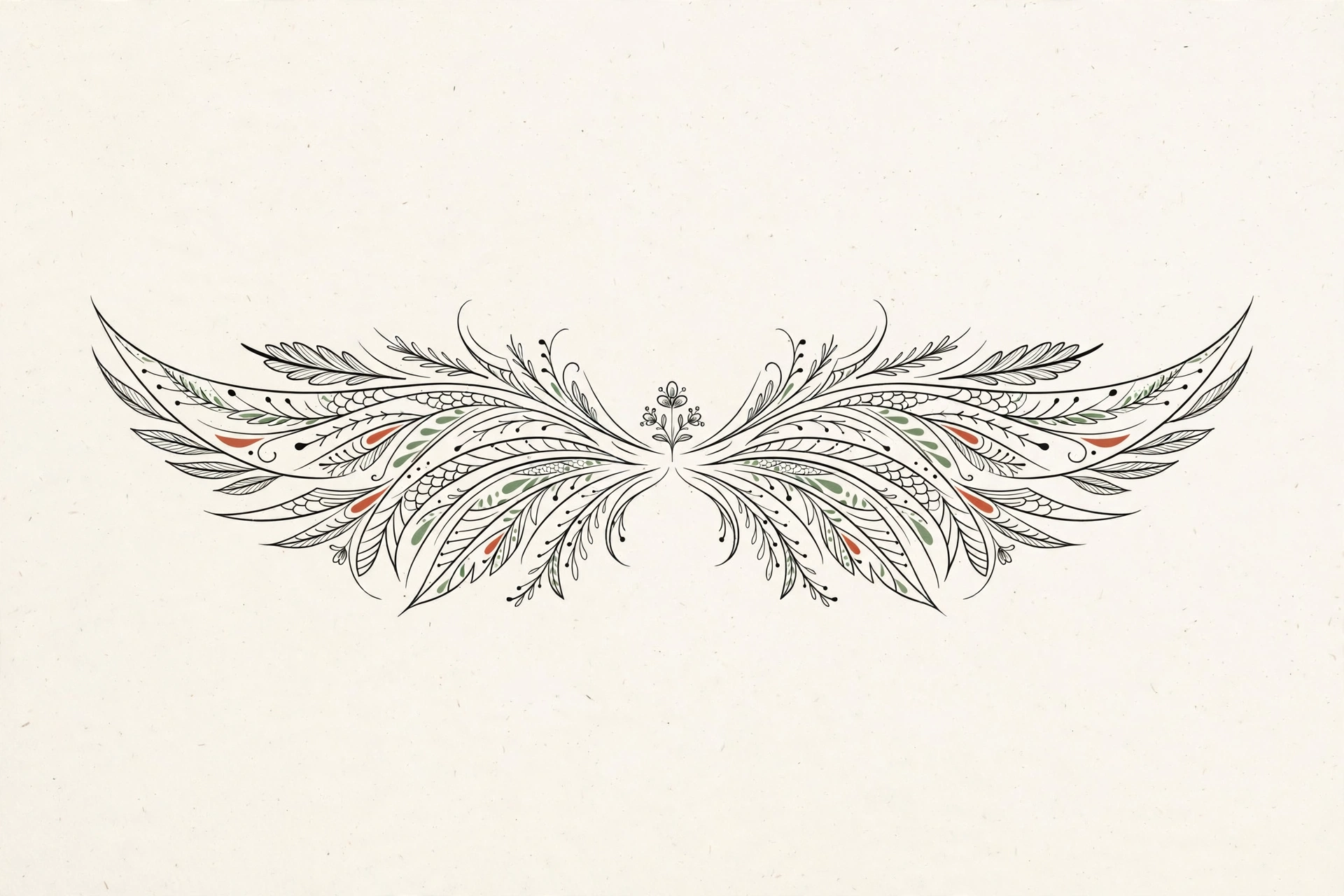
The lower back has been associated with decorative, symmetrical tattoo designs, including butterflies, floral arrangements, and abstract curves. Fashion coverage has revisited the placement alongside interest in earlier styles.
That coverage does not mean every wearer is following a revival. Some people have had their tattoo for years, while others choose the location for its shape or ability to be covered. Avoid treating a personal decision as a uniform statement.

Choose a composition for the area
| Design direction | What to discuss with an artist |
|---|---|
| Central butterfly or moth | Symmetry and room around the wings |
| Botanical arrangement | How branches follow the body’s curve |
| Abstract ornament | Where the outer edges stop |
| Small central symbol | Whether it feels intentional at that scale |
| Larger back composition | How the lower piece connects upward |
These are starting ideas, not a complete set of approved designs. Ask for original work that suits your preferences instead of copying a custom piece from another wearer.
For symbols drawn from a specific cultural tradition, learn the context and choose an artist who can discuss it responsibly. Avoid calling every decorative curve tribal when you do not know its origin.
Check the stencil while standing and moving
The lower back changes shape when you sit, bend, and twist. Check placement while standing naturally and ask how the image will move. Do not judge the stencil only from a photograph taken while you are leaning forward.
Bring the waistband style you normally wear, or explain where it sits. You may want the piece visible above it, fully covered, or intentionally independent of clothing lines. A fashion photograph may not reflect the clothes you use every day.
If the design is symmetrical, discuss what centered means on your body. Natural asymmetry can affect how a geometric arrangement appears. A good consultation should address that before tattooing begins.
Plan for healing around clothing
Waistbands, tight fabrics, and equipment belts may rub the area. Ask your artist how to handle your actual routine during healing, including work clothes, exercise, sleep, and bathing. If you cannot see the area easily, arrange a practical way to check it without repeatedly twisting or touching it.
Follow written aftercare guidance and seek medical advice for concerning symptoms. Tattoos carry risks including infection and reactions to ink. A hidden placement does not eliminate those risks.
Covering or changing an older tattoo
A cover-up is a design problem with existing pigment and shape, so it may need more space or a different approach than a fresh piece. Show the artist clear photographs and get an in-person assessment when possible.
Laser removal is also an individual clinical decision. Do not expect a guaranteed session count, complete clearance, or a fixed result from an online quote. Discuss realistic outcomes with a qualified provider.
You can also keep a tattoo you like. A change in fashion does not create an obligation to remove or redesign it.
Decide what you want the placement to do
Write down whether privacy, symmetry, connection to a larger piece, or a particular image matters most. Then choose the artist by relevant healed work rather than by who advertises the trend most often.
Save the design brief and bring it to the consultation. You do not need to defend the placement with a story about someone else’s opinion.
Frequently asked questions
What is a tramp stamp tattoo
It is slang for a lower-back tattoo. The term can be insulting, so lower-back tattoo is a more neutral description.
Does it have a sexual meaning
There is no universal sexual meaning. Do not infer someone’s character or history from placement.
Can men get lower back tattoos
Yes. The placement is not restricted to one gender.
Can an old lower back tattoo be covered
An artist needs to assess the existing ink, skin, desired image, and space. A cover-up is not guaranteed to fit the original footprint.
Does the design need to be symmetrical
No. Symmetry is one option. An asymmetrical composition can also work when planned for the area.