Medusa Tattoo Meaning History and Personal Symbolism
A Medusa tattoo can represent protection, strength, survival, anger, transformation, or an interest in classical art. Some wearers use it to express survival after sexual violence. Others choose it for a different reason. You cannot infer a person’s history from the tattoo alone.
The meaning has layers because Medusa appears in different ancient stories and changing artistic traditions. A single social-media explanation does not cover all of them.
Medusa in classical art
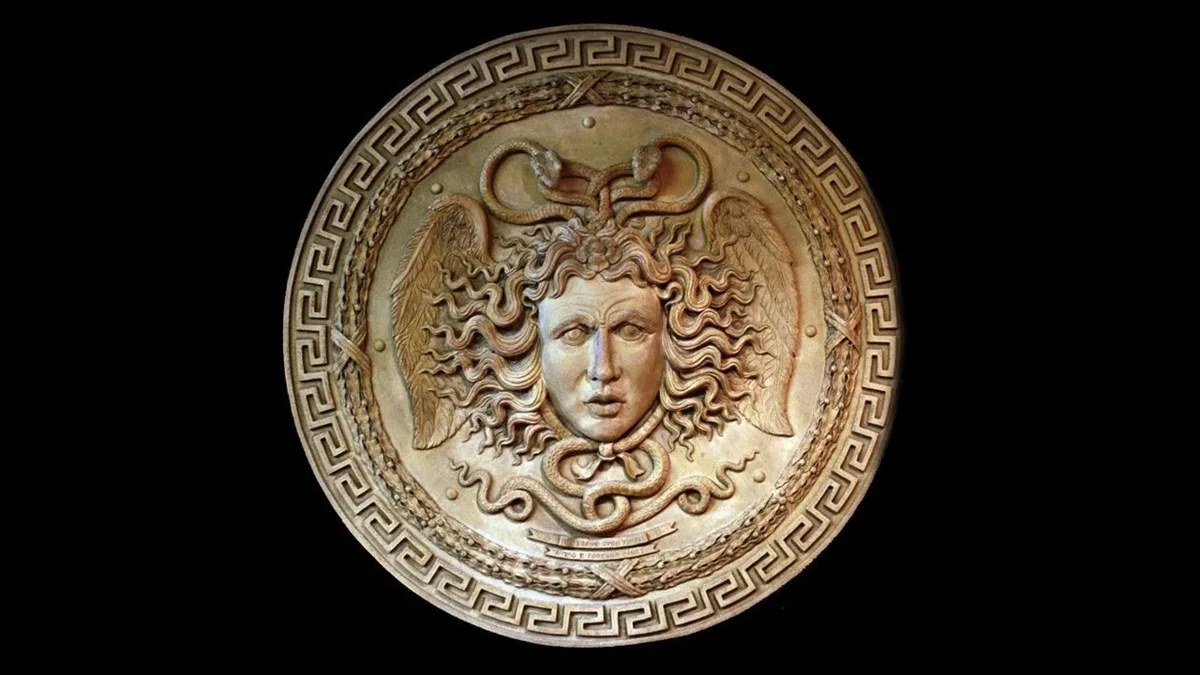
Medusa is a Gorgon associated with snakes and a gaze that turns people to stone. The Metropolitan Museum of Art describes how her appearance changed across ancient art, from a frightening figure to more human and idealized representations.
Her head, often called a gorgoneion, also had a protective role. The Met explains its use as a symbol intended to ward off danger. That background helps explain why modern wearers may connect Medusa with boundaries or protection. It does not establish one compulsory meaning for every tattoo.
Contemporary meanings need personal context
| Possible interpretation | How a wearer might express it |
|---|---|
| Protection | A boundary or reminder of personal safety |
| Survival | Endurance after a difficult experience |
| Strength | An image of power or defiance |
| Transformation | A change in identity or outlook |
| Appreciation of art | Interest in mythology, sculpture, or visual design |
These are possible interpretations, not diagnostic categories. A design can also hold several meanings at once or no private story beyond the wearer liking it.
If someone has not offered their reason, ask about the artwork rather than assuming trauma. “What drew you to this design?” gives them room to answer or keep the meaning private.
Be careful with the mythology
Ancient accounts are not identical. Avoid presenting one later retelling as the only original Greek version. If the details of a specific story matter to your design, identify the author or tradition you are using.
Modern survivor interpretations deserve the same care. A tattoo can be meaningful to a survivor without being a universal badge that others are entitled to interpret. Do not ask a stranger to disclose an experience to explain their artwork.

Turn the idea into an original design
Start with the mood and composition rather than collecting unrelated symbols. A calm front-facing portrait, an ancient mask-inspired head, and a dramatic snake composition communicate differently.
- Decide whether the face or the snakes should be the main focal point.
- Choose the level of detail that will remain readable at your planned size.
- Discuss how the composition fits the body part and moves with it.
- Ask for healed examples in the artist’s preferred style.
For a smaller piece, simplifying the snakes or facial detail may improve clarity. For a larger piece, discuss how the design might connect to future work. An artist can adapt the reference without reproducing another person’s custom tattoo.
Choose placement around the composition
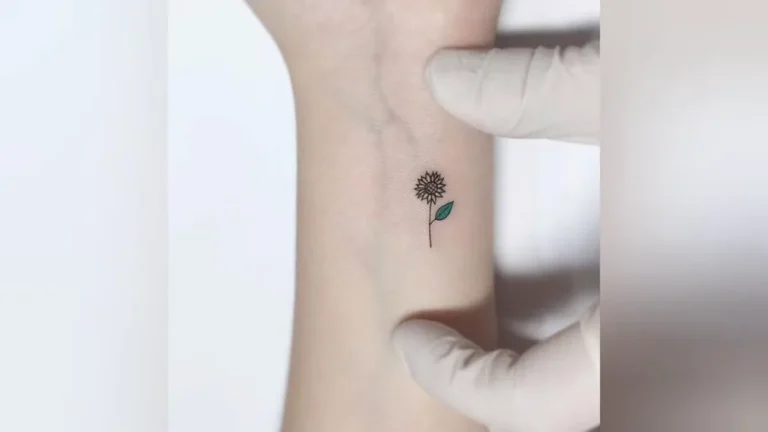
A forearm design is visible to you and others in ordinary clothing. A thigh or upper-back placement may allow more room and different coverage. A small wrist design places stricter limits on detail.
Check the stencil while standing naturally. A straight-on photograph does not show every curve or viewing angle. Ask what the image will look like when the arm rotates or the body bends.
Pain ratings are personal, and a design should not be advertised as painless. Also consider work clothing, sun exposure, and whether you can follow the artist’s healing instructions for that area.
Separate inspiration from safety
Choose a studio with appropriate hygiene practices and check your local requirements. Tattoos carry risks including infection and reactions to ink. Personal symbolism does not remove those risks.
A reference image can help communicate the idea, but it does not prove that a tattoo is healed or that a particular technique is safe. A generated concept should be labeled as a concept and reviewed by an artist before becoming a stencil.
Save a short brief with your preferred meaning, style, placement, and symbols you do not want included. You can discuss all of that without disclosing private experiences.
Frequently asked questions
Does a Medusa tattoo always mean sexual assault survival
No. That is one contemporary meaning, but many wearers have other reasons.
Is it disrespectful to choose Medusa for the art
There is no universal rule assigning the image to one experience. Learn its history, respect other people’s meanings, and avoid claiming a story that is not yours.
What do the snakes mean
They identify Medusa visually and may carry additional personal symbolism. The wearer decides whether that symbolism matters to their design.
Can a Medusa tattoo be small
Yes, but detail needs to suit the scale. Ask an artist what can remain clear in the available space.
Should I explain my tattoo to everyone who asks
No. You can share a personal meaning, discuss the art, or keep the explanation private.