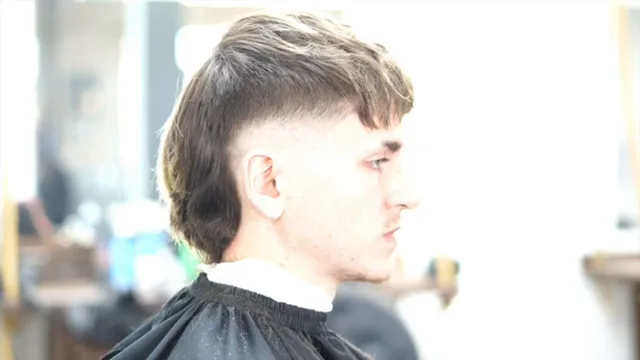
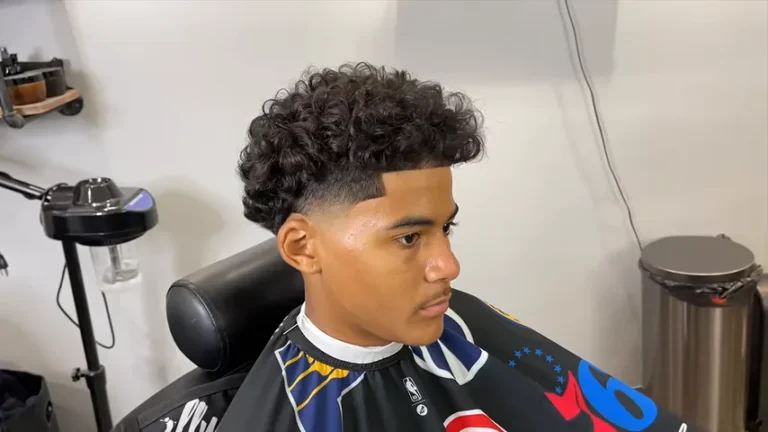
Taper Fade Haircut Types and How to Ask for the Right Cut
A taper fade haircut gradually shortens hair around the edges, commonly at the sideburns and neckline, while leaving more length elsewhere. The phrase is used differently between shops, so explain the area you want shortened and show a reference photo.
Your appointment will go more smoothly if you decide four things: where the blend sits, whether it reaches skin, how much side coverage remains, and what happens on top.
Taper and fade describe overlapping ideas
A taper usually describes a gradual reduction in length, often concentrated at the perimeter. A fade can involve a wider area of the sides and back. A skin fade specifically reaches exposed skin at its shortest point. These distinctions are useful, but they are not a universal naming standard across every barber.
Instead of debating the label, point to the reference and ask, “Will the short area stay just here, or continue across the whole side?” That question resolves a common source of disappointment.


Compare low mid and high options
| Option | General impression | What to confirm |
|---|---|---|
| Low taper | Shortest work stays near the lower edges | Coverage behind the ears |
| Mid taper | The blend sits higher | Where it meets the longer side |
| High taper | More contrast near the temples | How much side weight will remain |
| Skin finish | Shortest area reaches skin | Whether you want that much exposure |
| Soft taper | Less severe edge contrast | Your preferred shortest length |
Fade height and shortest length are separate choices. A low blend can still reach skin; a higher blend does not automatically have to do so.
Choose the top independently
A taper can work with a fringe, curls, a side part, a brushed-back style, or a short textured top. Show how you want the top to fall and explain how much time you usually spend styling it.
Hair texture matters. A curly top needs enough length for its dry shape, while fine straight hair may reveal more scalp when strongly contrasted against short sides. Ask the barber what your reference would look like with your density and growth direction.
Do not assume a clipper guard number describes the whole haircut. The same number used in a different area creates a different shape. Discuss placement and transition as well as length.
A barber script you can adapt
Try: “I want a low taper at the sideburns and neckline, keeping this much length on the sides. Please leave the top long enough to style like this photo. I do not want the short area carried higher than this point.”
If you want skin exposure, say so. If you prefer a natural hairline or have a beard to blend, add that before the outline work begins. Ask the barber to show the planned boundary if the reference is ambiguous.
Before leaving, check both sides and the back. Look at the cut with your hair resting naturally rather than only in a heavily styled finish.
Make maintenance fit your routine
A sharp edge will soften as hair grows. How soon you return depends on your preferred crispness, hair growth, and budget. Ask whether a small cleanup between full appointments would preserve the shape you like.
At home, wash according to scalp needs and use a manageable amount of styling product. Treat the scalp gently if it feels irritated after clipping. Persistent bumps or irritation need appropriate assessment rather than increasingly close shaving.
If you are growing the cut out, tell your barber. Keeping the same high-contrast outline at every visit can delay a fuller side shape. A planned transition may need fewer edge cleanups and more attention to blending.
Avoid the most common appointment mistakes
Bringing only a front photo leaves the neckline unresolved. Asking for “whatever is trending” leaves the shape to someone else. Choosing an edited reference can create expectations your natural density cannot reproduce.
Bring clear, realistic images and say what you like about them. You might like the fringe but not the skin finish, or the back shape but not the height of the taper. Naming those differences makes the request useful.
Save photographs of a cut you like from three angles. That gives your next barber a practical starting point.
Frequently asked questions
Is a taper fade suitable for work
That depends on your workplace and preferences. A lower, softer taper can be understated; there is no universal workplace rule.
Does taper fade mean skin fade
No. Specify skin exposure separately.
What guard number should I request
Choose it with your barber after discussing the shape. A number alone does not describe height, coverage, or the top.
Can I keep curls or a fringe
Yes. The top can be planned independently from the tapered edges.
How often does it need cutting
There is no single interval. Return according to how crisp you want the short sections and how the overall cut grows.