Modern Mullet Fade Styles and What to Ask Your Barber
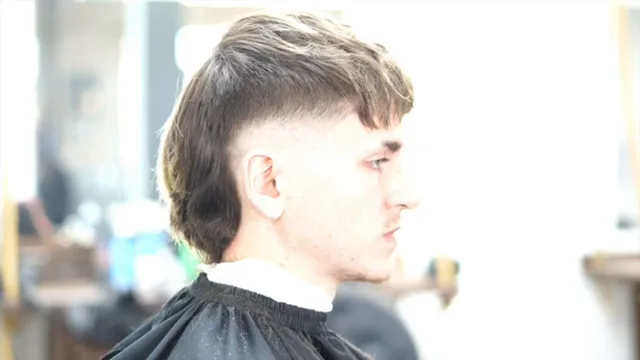
A modern mullet fade combines a longer back with shorter, blended sides. The useful decisions are how much length to keep behind the ears, where the fade should sit, and how the top connects to the back. The name alone does not specify those details.
Take front, side, and back reference photographs to your barber. Choose examples with hair texture close to yours, because a cut that looks soft on waves can look much sharper on straight hair.
Choose the shape before the fade
Start by deciding how obvious you want the longer back to be. A subtle version keeps a modest difference between top and back; a dramatic version leaves a longer tail and more contrast at the sides. Neither needs to match a celebrity’s proportions exactly.
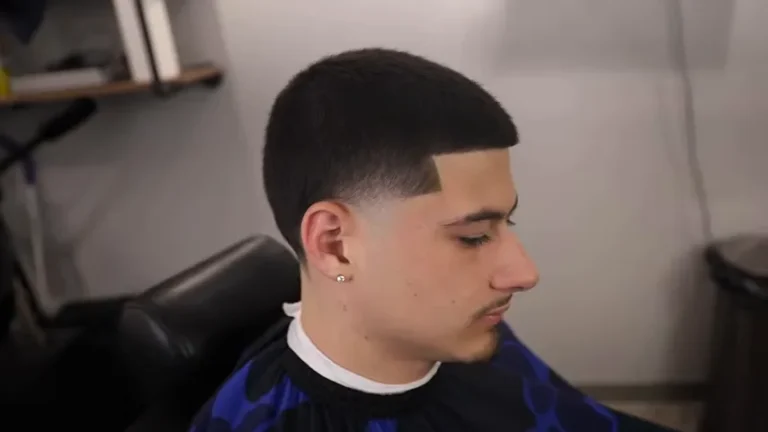
Then decide what happens around the ear. You may want a small taper at the sideburn and neckline, a rounded burst fade around the ear, or a wider faded side panel. Barber terminology varies, so point to the boundary in your reference photo rather than relying on the label alone. Current barber and salon guides also distinguish multiple mullet and fade combinations.
Compare the main options
| Option | What to discuss | Main tradeoff |
|---|---|---|
| Soft mullet with taper | Keep side coverage and blend the edges | Less dramatic contrast |
| Burst fade mullet | Curve the short area around the ear | Stronger separation from the back |
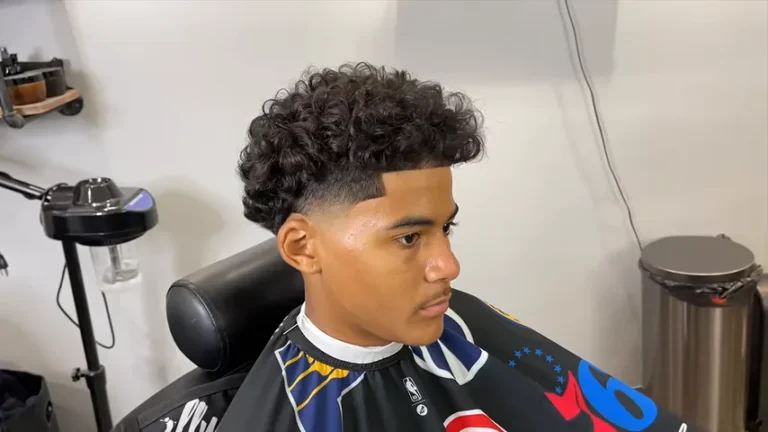
| Curly mullet | Preserve enough curl length at crown and nape | Dry shrinkage changes the outline |
| Short textured mullet | Keep the back controlled and top movable | Needs intentional shaping as it grows |
| Longer mullet | Retain more back length | More detangling and shape maintenance |
Ask to see the back in a mirror before the appointment ends. A style that looks right from the front may have a neckline shape you did not intend.
Match the plan to your hair
For straight hair, ask how the barber will soften transitions without removing too much density. Very short sides next to a long back can emphasize a sharp shelf if that is not the intended shape.
For waves, discuss where the bend naturally forms. Leaving length where the hair turns can make styling easier than cutting it to the edge of a wave and fighting it every morning.
For curls or coils, discuss the finished dry shape and shrinkage. Keep enough length for the curl to sit as intended. If you wear your hair both stretched and natural, show both looks so the barber understands the range.
For fine or thinning hair, ask how the contrast will affect visible density. Do not choose a very high fade simply because a reference image uses one. A smaller tapered area may better suit your preferred coverage.

Use a clear barber script
Try: “I want a modern mullet with this amount of length at the back. Keep the short area low around the ears, and leave enough on top for my natural texture. Please show me where the fade will stop before you start.”
Add whether you want skin exposed, how your fringe should sit, and whether the back should feel rounded, squared, or softly tapered. If you have a cowlick at the crown, ask how it will affect the connection between top and back.
Style the cut with less guesswork
Begin with your usual cleansing and conditioning routine. Apply a small amount of styling product, then add more only if needed. A heavy product can collapse fine hair; a very dry finish may not suit the curl definition you want.
Style with your fingers or a suitable comb while following the direction you want the hair to fall. If using heat, use a heat-protective product and a low or moderate setting. The American Academy of Dermatology advises limiting excessive heat and treating wet hair gently.
Take a photo after your first successful styling attempt and note what you used. That is useful information for the next cut, especially if one section is difficult to control.
Plan maintenance around your priorities
The faded edges will look less crisp as hair grows, while the back may remain wearable longer. Ask whether an edge tidy between full reshaping appointments makes sense. There is no single appointment interval that works for every texture, growth rate, and budget.
If you later want to grow it out, tell the barber before they remove length. Blending the silhouette over successive cuts may preserve more hair than repeatedly sharpening the same contrast.
Frequently asked questions
Is a modern mullet the same as a burst fade
No. A mullet describes the longer-back shape; a burst fade describes one way of blending the sides. They can be combined.
Do I need long hair first
You need enough length for your intended back and top. A barber can assess whether to start with a shorter version and grow toward your reference.
Can a mullet look subtle
Yes. Keep less difference between the back and top and use a smaller tapered area.
Should I ask for a skin fade
Only if you want the shortest section taken to skin. A faded blend does not automatically need exposed skin.