Body Fat Calculator Results and Their Limits
Body fat calculator (tape measure)
This tool uses the US Navy tape-measure method. It gives an estimate for tracking trends — it is not a diagnosis.
A body fat calculator estimates the proportion of body weight made up of fat. It does not directly measure every fat deposit, diagnose a condition, or tell you how healthy you are from one number. Different methods can give different results on the same person.
Before entering measurements, check which method the calculator uses. A circumference equation, a BMI-based estimate, and a skinfold equation require different inputs and should not be presented as interchangeable measurements.
Understand what the percentage means
Body fat percentage is estimated fat mass divided by total body mass, multiplied by 100. For example, an estimated 20% at a body weight of 150 pounds corresponds mathematically to 30 pounds of fat mass. The remaining 120 pounds is fat-free mass, which includes more than muscle: water, organs, bone, and other tissues are also part of it.
That example explains the arithmetic only. It is not a recommended target or a claim about the accuracy of any calculator.
Know which method you are using
| Method | Typical inputs or procedure | Important limitation |
|---|---|---|
| Tape-based equation | Height and specified body circumferences | Sensitive to landmarks and equation population |
| BMI-based estimate | Height, weight, and sometimes age and sex | Infers composition indirectly |
| Skinfold estimate | Caliper measurements at defined sites | Requires technique and the correct equation |
| Bioelectrical impedance | A device measures electrical properties | Device and measurement conditions affect estimates |
| DXA assessment | Clinical scanning procedure | Still an estimate with method-specific limits |
Do not compare a tape estimate this month with a smart-scale estimate next month and interpret the difference as proven fat loss. Keep the method consistent if you are monitoring a trend.

Take tape measurements consistently
A tape-based tool should state exactly where to measure and which units it accepts. Some circumference equations use neck and abdominal measurements; others also use hips. The relevant landmarks depend on the selected method. An archived US Army document illustrates why the equation and its measurement instructions must stay together. It also specifies base-10 logarithms rather than natural logarithms.
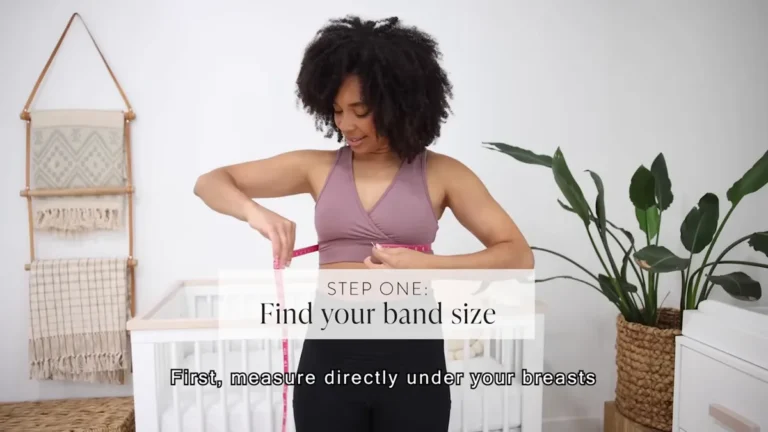
Use a flexible, nonstretch tape, keep it level, and avoid compressing the skin. Repeat a measurement when the tape position or reading is uncertain. Do not substitute a clothing waist label for a measured circumference.
If a tool does not explain its method, use a better documented option. A precise-looking result such as 23.74% does not establish that the underlying method is accurate to two decimal places.

Interpret the result without turning it into a diagnosis
A result is useful only in context. Age, training, health history, and why the estimate was taken affect interpretation. Some equations were developed using binary sex categories and specific adult populations; that can limit their relevance for people outside those populations.
Do not use a general adult calculator to assess a child, pregnancy, or a medical condition without appropriate clinical guidance. For transgender people or anyone for whom the equation’s categories do not fit, the tool should disclose uncertainty rather than present an invented correction.
Avoid matching your result to an online photo chart and treating the picture as confirmation. Lighting, posture, muscle size, and editing make visual comparisons unreliable.
Use trends carefully
Record the method, units, raw measurements, and date. Repeat under similar conditions and look for a pattern across observations. If a result jumps unexpectedly, check for a measurement or input error before changing your diet or exercise plan.
You can also track outcomes that matter independently: strength, walking tolerance, how clothes fit, or a clinician-recommended measure. A small percentage change is not automatically more meaningful than those outcomes.
If checking body composition is causing distress or restrictive eating, pause the tracking and seek support. More frequent measurement does not necessarily produce better decisions.
What a useful calculator page should show
Readers should be able to see the formula or method, who it was developed for, required landmarks, accepted units, and limitations. A result should be labeled an estimate. If body weight is optional, fat mass should appear only when enough valid information is supplied.
The tool should reject impossible or mathematically invalid inputs instead of generating a confident percentage. Data handling should also be clear, especially if measurements are saved or sent to a server.
Save your raw measurements and method before you close the page. If you need a clinical interpretation, take that record to a qualified professional.
Frequently asked questions
Is a body fat calculator the same as BMI
No. BMI relates weight to height. Some calculators use BMI to estimate body fat, but the outputs describe different concepts.
Which method is most accurate
No single answer applies to every setting and person. Ask about validation, operator technique, equipment, and the purpose of testing.
Can a calculator measure visceral fat
A basic tape equation cannot directly measure the fat around internal organs. Do not treat a general percentage as a visceral-fat scan.
Why do two calculators disagree
They may use different equations, landmarks, units, rounding, or populations. Check those details before comparing numbers.
Should I aim for the lowest possible percentage
No. Lower is not always healthier. Individual needs and clinical context matter.