How to Measure Your Waist for Health and Clothing
To measure your waist, use a flexible nonstretch tape, keep it level, and hold it snugly without compressing your skin. The exact position depends on why you are measuring. A health screening measurement, a sewing pattern’s waist, and a low-rise trouser waistband are not automatically the same location.
Choose the method first and record it with the number. Consistency matters more than trying to obtain the smallest reading.
Measure for a US health screening method
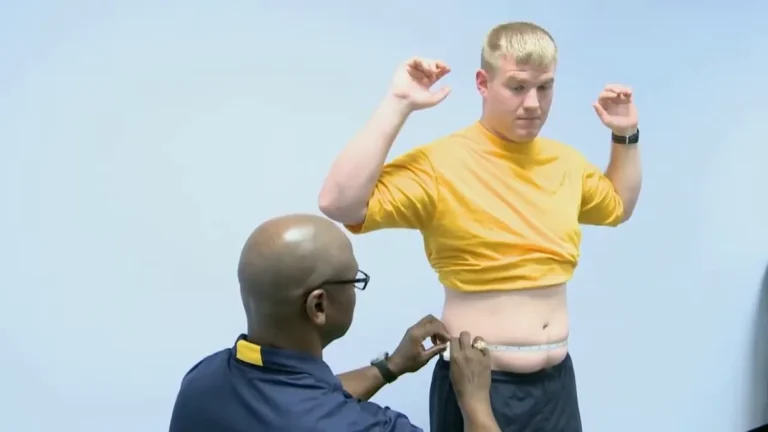
CDC guidance describes measuring around the middle just above the hip bones, after breathing out.
- Stand comfortably with your abdomen relaxed.
- Remove or move bulky clothing away from the measurement area.
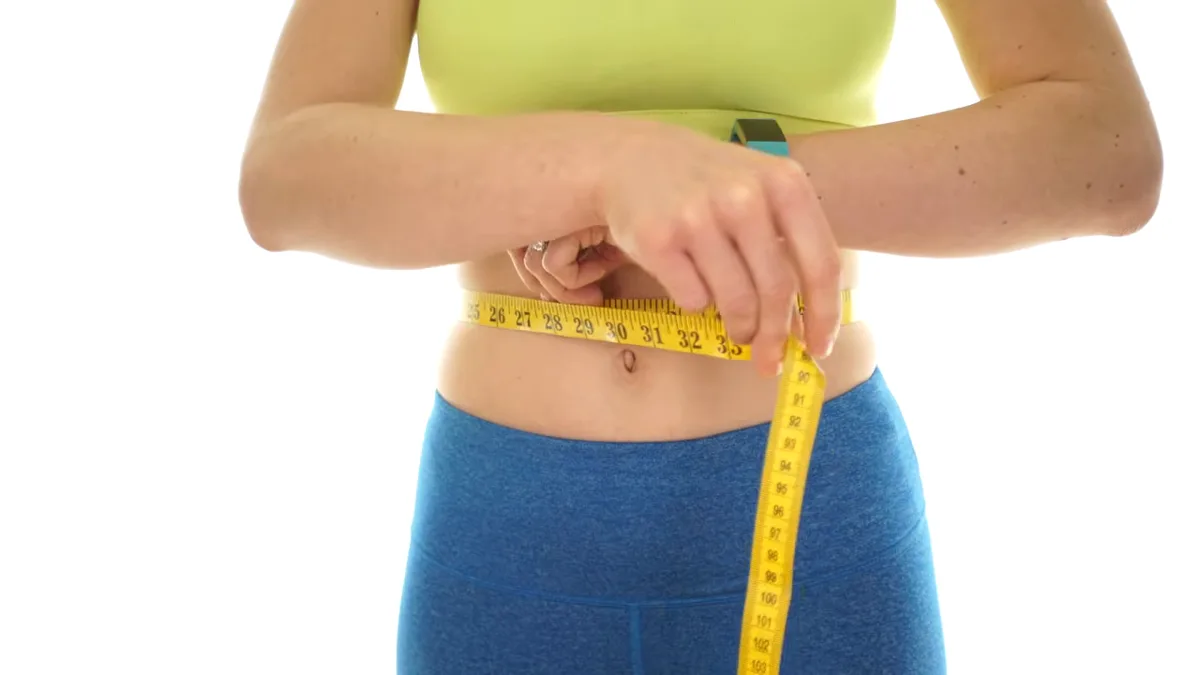
- Find the top of the hip bones and place the tape around the middle just above that level.
- Check in a mirror that the tape is horizontal around the back.
- Let out a normal breath without sucking in your stomach.
- Read the tape while it rests against the skin without digging in.
- Repeat if the tape slipped or the result is unclear.
Write down the units. A measurement of 90 centimeters is not 90 inches. To convert, one inch equals 2.54 centimeters.

Why another guide may use a different landmark
Some health protocols measure at the midpoint between the lowest rib and the top of the hip bone. WHO’s STEPS materials describe a defined waist-measurement procedure. That does not mean you should move the tape between landmarks until you get a number you prefer.
Follow the protocol used by your clinician, study, or calculator. If comparing repeated results, use the same landmark. If you change methods, label the change so you do not mistake a position difference for a change in body size.
The belly button is convenient to find but does not sit at the same anatomical level for everyone. Use it only when your chosen protocol specifically calls for it.
Measure for clothes using the brand instructions
For shopping, use the retailer’s size chart and measurement directions. A pattern may ask for your natural waist, while a low-rise garment sits below it. Some brands provide body measurements; others provide finished garment dimensions. Those are different things.
If measuring a garment you already own, follow the brand’s instructions for laying it flat and measuring the waistband. Do not compare that flat width directly with a full body circumference unless the chart explains how to convert it.
Check whether the fabric stretches and whether the chart includes ease, the extra room built into a garment. A waistband that matches your body measurement exactly may feel different depending on construction and fabric.
Avoid common measurement errors
| Error | What to do instead |
|---|---|
| Pulling the tape tight | Keep contact without compressing skin |
| Holding your breath | Read after an ordinary exhale |
| Letting the tape slope | Check the back in a mirror |
| Using a trouser label | Take an actual measurement |
| Switching landmarks | Record and repeat one method |
| Comparing inches with centimeters | Label every recorded value |
If measuring alone is difficult, ask someone you trust to check the tape’s level. A nonstretch cord and ruler can be a temporary substitute, but it is easier for the cord to move while you mark it.
Interpret a health measurement in context
Waist circumference can contribute to assessing health risk; it does not diagnose a condition by itself. Thresholds and interpretation may differ by population and clinical circumstances. Pregnancy, age, and medical history can also affect whether a general adult comparison is appropriate.
Do not change your eating plan because of one surprising reading. Check the method first and discuss health concerns with a clinician. A clothing-size decision can usually be handled with the retailer’s chart; a health-risk decision needs more context.
Track a useful record
Record the date, measurement, units, landmark, and reason for measuring. If monitoring change, use similar conditions and avoid excessive checking. Short-term variation does not necessarily represent a meaningful change in body fat.
For your next measurement, keep the tape method beside the result. “Waist, 34 inches, just above hip bones” is more useful than an unlabeled number.
Frequently asked questions
Should I measure at my belly button
Only if the method you are following specifies that point. Health and clothing protocols can use different locations.
Should I suck in my stomach
No. Stand relaxed and read after a normal exhale for the CDC method.
Why is my trouser size different from my tape measurement
Brand sizing, garment rise, stretch, and labeling can differ. Use that garment’s chart.
What if two measurements disagree
Check the landmark, tape level, tension, and units. Repeat when those conditions are consistent.
Can waist measurement tell my body fat percentage
It is not a direct body-fat measurement. Some equations use it as one input, with their own limitations.