Kibbe Body Types and a Practical Way to Explore Personal Style

Kibbe body types are usually discussed as Image Identities within David Kibbe’s styling system. They are not medical categories, fitness goals, or measures of attractiveness. Use the framework to explore clothing and overall presentation rather than to diagnose what is wrong with your body.
Kibbe’s book Power of Style was published in January 2025. Its publisher presents the method as a guided exploration of authentic personal style, which is useful context when online discussions reduce it to a body-measurement quiz.
Why guides list ten or thirteen types
You will encounter different counts because guides discuss different versions and interpretations of the system. Older explanations commonly list thirteen categories, including pure Natural, Classic, and Gamine. Many contemporary summaries discuss ten Image Identities.
Do not combine an old quiz, a new height rule, and a social-media diagram as though they form one official test. Check the source and edition of the guidance you are following.
The ten identities commonly discussed
| Family | Commonly listed identities |
|---|---|
| Dramatic | Dramatic and Soft Dramatic |
| Natural | Flamboyant Natural and Soft Natural |
| Classic | Dramatic Classic and Soft Classic |
| Gamine | Flamboyant Gamine and Soft Gamine |
| Romantic | Romantic and Theatrical Romantic |
This table is a navigation aid for terms you may read, not a self-typing algorithm. It cannot determine your identity from height, weight, bra size, or one photograph.
Learn the vocabulary without turning it into criticism
Words such as vertical, width, curve, and balance have context within styling discussions. They should not be treated as insults or as a ranking of bodies. Online shorthand can make them sound more literal or absolute than the clothing discussion requires.
When a term feels confusing, ask what it changes about an outfit. Does the suggestion concern fabric, the length of a line, the way a garment hangs, or the relationship between pieces? A useful styling observation should lead to something you can try.
If the advice only makes you scrutinize isolated body parts, step back. Looking at how clothing behaves is likely to be more useful than repeatedly measuring a shoulder or comparing yourself to a celebrity.
Try outfit experiments before buying a wardrobe
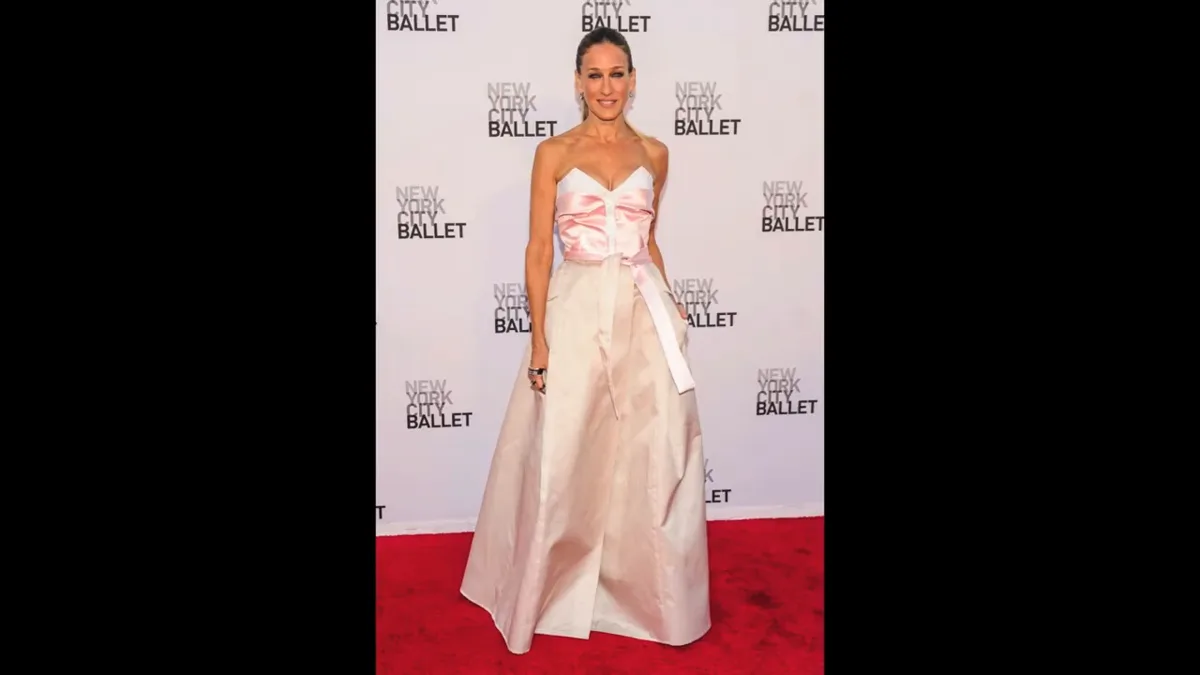
Start with clothes you own and one practical question. For example, compare a longer continuous silhouette with an outfit broken up by strong color contrast. Keep the setting and footwear similar so you can see what actually changed.
- Pick two outfits you can wear comfortably.
- Note how the fabric falls and whether the proportions feel intentional to you.
- Check movement and comfort, not only the still photograph.
- Keep a short record of what you liked and what felt awkward.
- Repeat with another variable, such as fabric structure or garment length.
These are editorial styling exercises, not an official Kibbe assessment. Their purpose is to help you make useful choices even if you never settle on a label.
Why online typing often becomes frustrating
Camera distance and angle can distort proportions. Clothing can conceal the lines people are trying to judge. Different commenters may also follow different interpretations of the system.
An online vote is therefore not a definitive assessment. Neither is an AI tool that assigns a category from a photo without explaining its limits. Be cautious about sharing body photographs in public groups or paying for certainty that a service cannot substantiate.
Do not treat celebrity comparisons as proof. Two people who look alike in one feature may wear clothing differently. You can borrow an outfit idea without adopting a stranger’s label.
Keep what helps and leave what does not
You do not need to lose weight, change your hair, or avoid a favorite garment to earn an identity. A styling framework should help you get dressed, not add a new set of appearance tests.
If the system makes shopping easier, keep using the parts you understand. If it creates more anxiety than useful decisions, focus on fit, comfort, color preferences, and your actual daily life instead.
Choose one outfit experiment before your next purchase. That gives you evidence from your own wardrobe rather than another quiz result.
Frequently asked questions
Is Kibbe the same as apple or pear body shapes
No. It is a different styling framework and should not be reduced to a waist-to-hip measurement chart.
Can I find my identity from an online quiz
A quiz can introduce vocabulary, but it should not be treated as a definitive determination.
Is one identity better than another
No. The categories are not a beauty hierarchy or a health assessment.
Do I have to follow every clothing recommendation
No. Your preferences, comfort, budget, and circumstances remain relevant.
Where should I start
Use a clearly identified source, including Kibbe’s own published work, and experiment with clothes you already own.